




Well Restoration vs. New Well Drilling: How to Know Which One You Need
When your well starts producing less water than it used to, the first assumption is often that you need a brand-new well. That is not always the case. In many situations, an underperforming well can be brought back to strong output without the cost and disruption of drilling a new one. Understanding the difference between well restoration and new well drilling helps you make a confident, cost-effective decision for your property.
What Well Restoration Actually Does
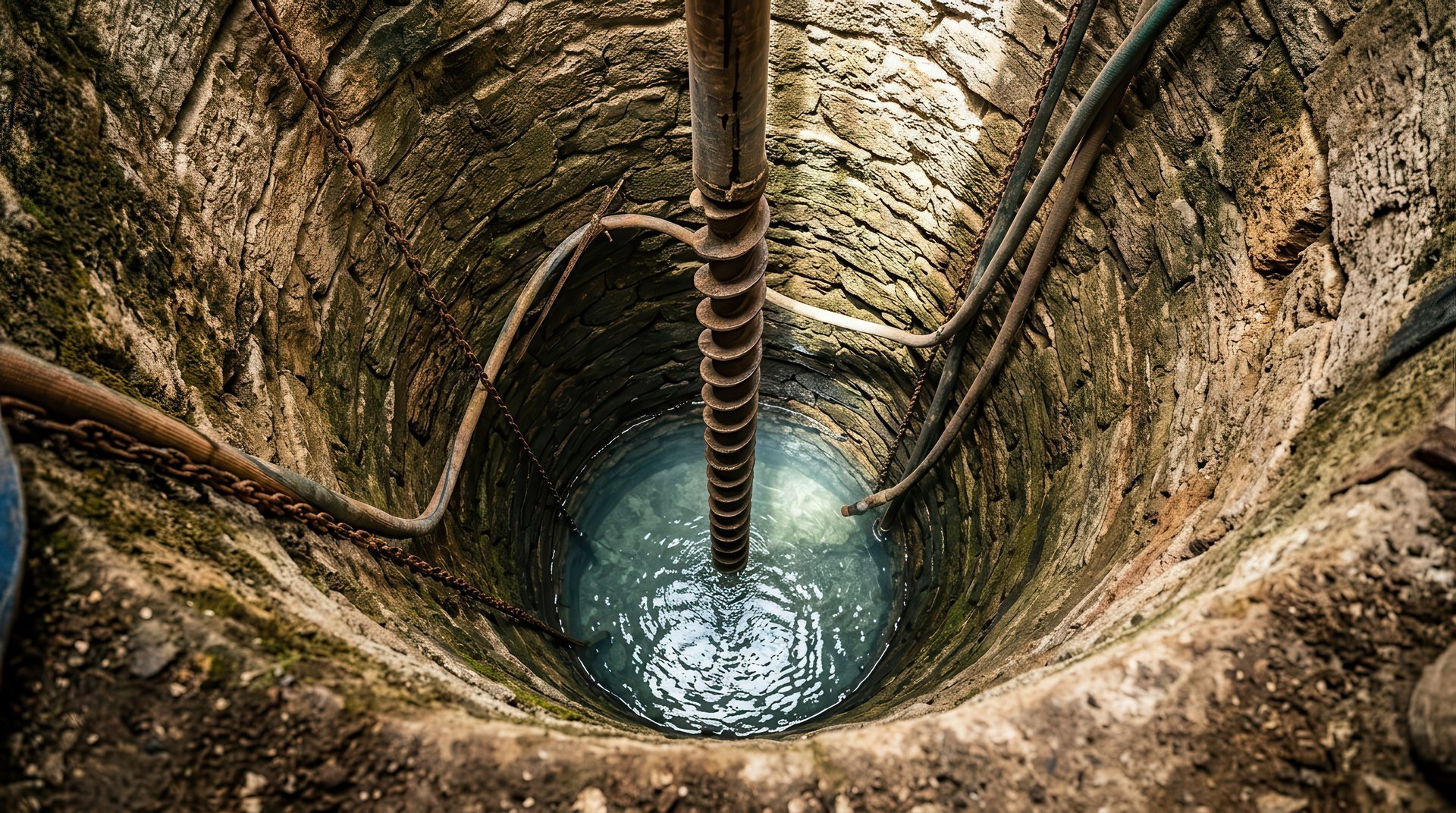
An inadequate water supply does not have to mean drilling deeper. Well restoration, also called hydrofracking, works by placing a large pipe down your well shaft and sending a high volume of high-pressure water into the surrounding rock. That pressure opens new fractures along the existing rock fissures, which allows more water to flow into the shaft.
For wells drilled into fractured bedrock, which describes most wells across the North Carolina Piedmont, this can restore or even increase yield. The process reuses your existing well rather than abandoning it, which is why restoration is frequently the more economical first step when flow has declined but the well structure itself is sound.
When Restoration Is the Right Call
Restoration tends to be the better option when the well was producing adequately in the past and output has gradually dropped. Common signs that point toward restoration include reduced flow after years of reliable service, a well that recovers slowly after heavy use, or seasonal drops in yield. If the casing, pump, and overall structure are in good condition and the main issue is water volume, opening new fractures often solves the problem at a fraction of the cost of a new well.
Restoration also avoids the permitting, site work, and downtime that come with drilling. For many homeowners in the region, it is the practical starting point worth evaluating before committing to a full replacement.
When a New Well Makes More Sense
Restoration cannot fix every problem. A new well is usually the right choice when the existing well has structural failures that cannot be sealed, when the casing is badly corroded or collapsed, or when the well is simply too shallow to reach a dependable water source. Persistent contamination, a dry or nearly dry well, or repeated failures despite prior repairs are all indicators that drilling fresh may be the more reliable long-term investment.
The honest answer depends on the specific condition of your well, which is why a professional diagnosis matters before you spend money in either direction.
How Rowan Well Drilling Helps You Decide
With decades of experience across the Piedmont, our NC-certified contractors evaluate the full picture before recommending anything. We assess your well's structure, current yield, casing condition, and pump performance, then explain in plain terms whether water well restoration in Charlotte or the surrounding area will resolve the issue, or whether a new well is the smarter path. We provide the same honest assessment for property owners seeking well restoration in Concord and well services in Statesville.
If leaks or casing damage are the real culprit rather than low yield, our well repair services can seal the system without a full replacement. Matching the right solution to the actual problem is how we protect both your water supply and your budget.
Talk to a Well Expert Before You Decide
Before assuming you need a new well, let a professional confirm what your existing system can still deliver. You may save thousands with a targeted restoration, or you may learn that a new well is the sounder investment. Either way, you will have a clear, honest answer. Contact Rowan Well Drilling or call
704-636-7879 to schedule an evaluation of your well today.



